▦
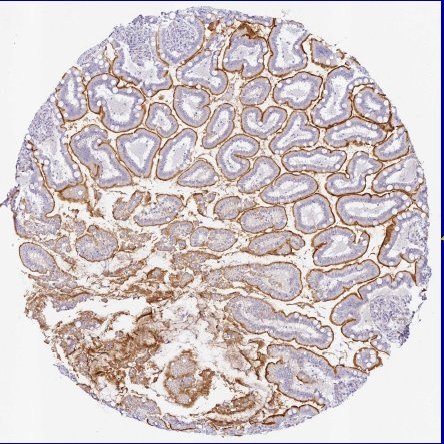
Biomarker validation
Organize large cohorts, controls and replicates into reproducible TMA layouts for comparative staining and scoring.
Galileo TMA systems support high-value pathology applications where sample efficiency, standardization and traceability are essential.
Organize large cohorts, controls and replicates into reproducible TMA layouts for comparative staining and scoring.
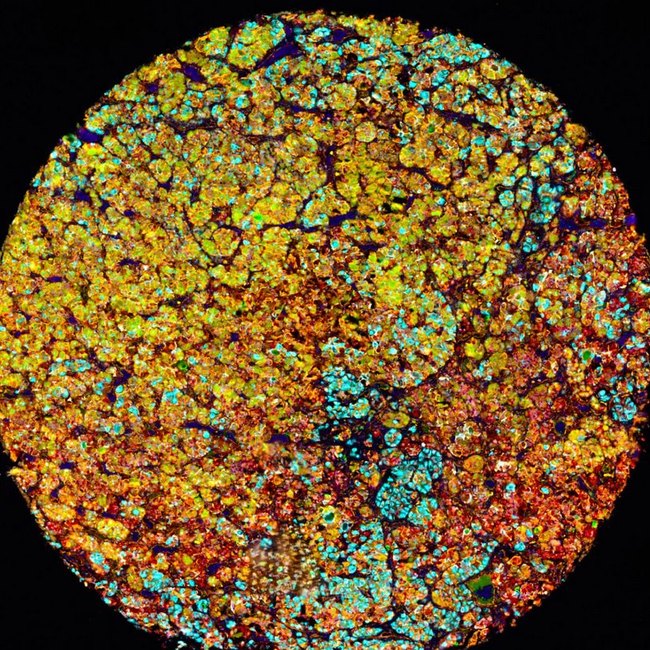
Place multiple tissue samples on a single assay slide to improve sample throughput and reduce high-value assay consumption.
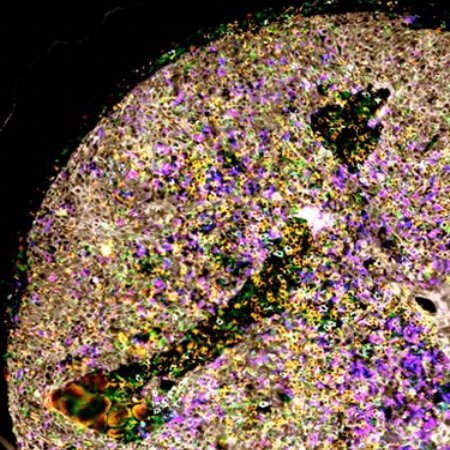
Build standardized arrays for multiplex immunofluorescence and image analysis across many tissues under identical conditions.
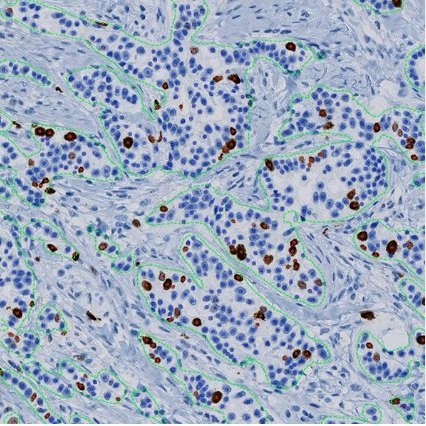
Link core position and donor metadata to de-arraying and image-analysis workflows.
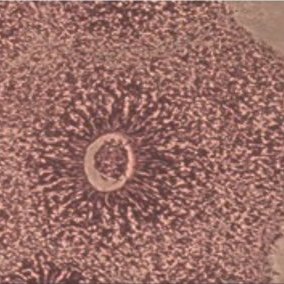
Standardize analysis of preclinical models, spheroids or organoids when compatible with the chosen sample preparation method.
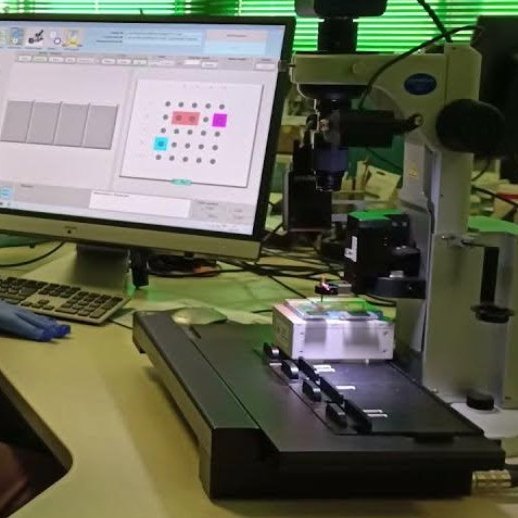
Use the Frozen TMA Module with compatible Galileo systems for applications requiring frozen material.
Application visuals are supplied by ISENET.
Many modern assays are expensive, tissue-limited and image-analysis intensive. A well-designed TMA can increase comparability and reduce per-sample reagent and slide costs by allowing multiple samples to be processed together.
ISENET can help define the most appropriate instrument, core size and workflow based on your biomarker, multiplex or spatial omics project.