About ISENET

ISENET (Integrated Systems Engineering Srl) develops and supports Galileo Tissue Microarray technologies for pathology research, biomarker validation and translational medicine.

From its headquarters near Milan and its US presence in Philadelphia, ISENET supports pathology laboratories, biobanks and core facilities worldwide — positioning the Galileo platform as the open front-end of digital and molecular pathology, with full core-level traceability from donor block to scanned slide.

Engineering for pathology innovation

ISENET combines engineering, pathology workflow expertise and digital integration to support laboratories building tissue microarrays for research, biomarker validation and advanced imaging applications.

Tissue MicroarrayDigital pathologySpatial biologyTranslational research
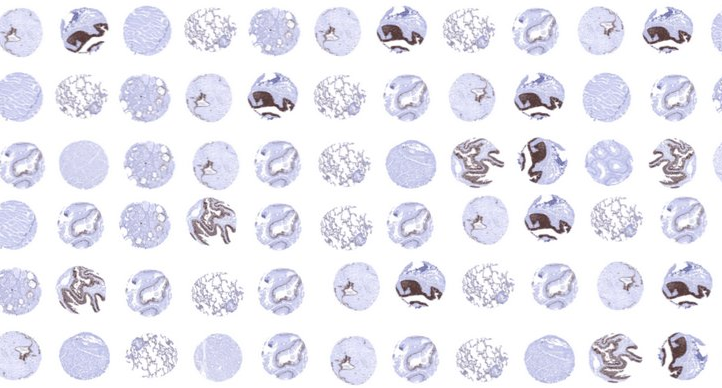
Galileo-built tissue microarray imaged by IHC
A Galileo-built tissue microarray imaged by IHC

Company details

Headquarters
Integrated Systems Engineering Srl
Via Volturno 80, 20861 Brugherio (MB) – Italy
Phone: +39 389 68 51 496

USA Office
ISENET-USA LLC
CIRA Center, Suite 1700, 2929 Arch Street, Philadelphia, PA 19104 – USA
Phone: +1 267 957 4959

Email
info@isenet.it · support@isenet.it
www.isenet.it

Partners

ISENET works with selected technology partners across digital pathology, slide scanning and validated antibodies to deliver a complete tissue microarray workflow.

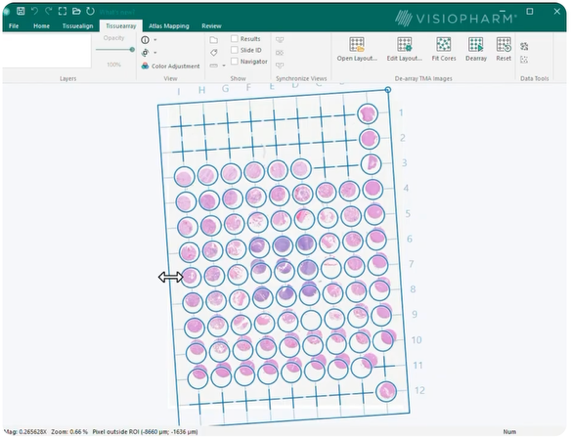
Visiopharm TissueArray interface

Digital pathology partner — Visiopharm

The Galileo TMA interfaces with Visiopharm’s TissueArray™, one of the most comprehensive solutions dedicated to TMA analysis. A guided workflow lets you manage cores and import the XML file generated by the Galileo, which is transformed into a grid design that preserves traceability from donor blocks to TMA cores.

Watch workflow video
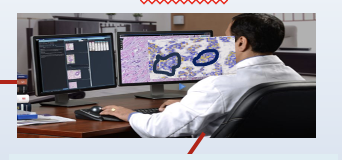
Digital pathology scanning workstation

Scanner compatibility — Motic

In the USA, ISENET-USA is a partner of Motic Digital Pathology. The pathologist selects the Region of Interest (ROI) from HD images (Motic EasyScan or Aperio ScanScope) and saves it as a JPEG, which the Galileo uses for core position selection. The Galileo then builds the TMA block and generates an XML file (TMA DES format) containing the core coordinates, donor block barcodes and extracted core positions. This file can be uploaded into Visiopharm TissueArray and read by any commercial digital scanner (Motic, Aperio, Hamamatsu, etc.) to maintain full traceability from donor block to tissue core.

Visit Motic Digital Pathology
MS Validated Antibodies (MSVA)

MS-Validated Antibodies (MSVA)

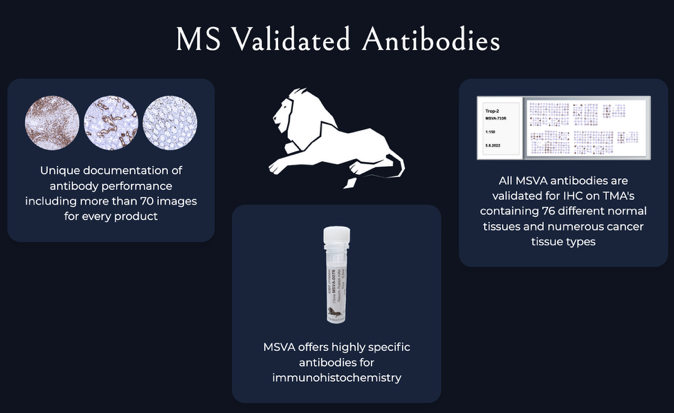
MSVA specializes in developing and validating antibodies for immunohistochemistry. All MSVA antibodies are validated in line with the guidelines of the International Working Group for Antibody Validation (IWGAV), using tissue microarrays containing more than 600 spots from 76 different normal tissues.

Visit MS Validated Antibodies
DiData Biobanking LIMS

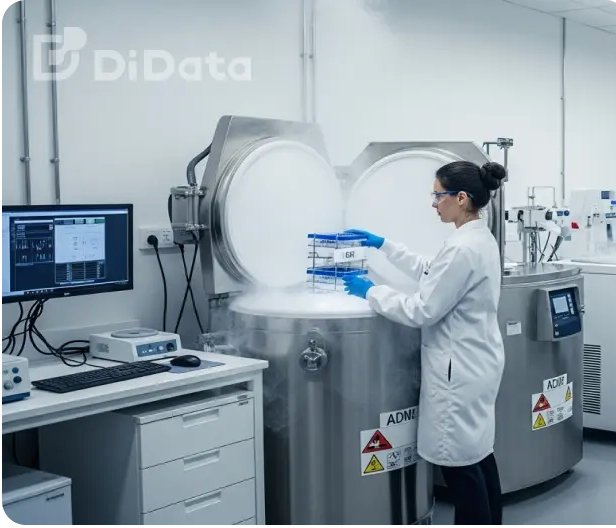
Biobanking LIMS — DiData

Di-LIMS is a Laboratory Information Management System. Not only it is blazing-fast, but it guarantees security within your lab management team, facilitates sample management from collection to shipment, set-up personalized workflows, and keeps track of your storage space.

Whether you're scaling up or just moving beyond spreadsheets, today's biobanks need more than generic tools. Di-LIMS offers a scalable solution to ensure sample traceability, regulatory compliance, and operational clarity, no matter your biobank's size or maturity level. In collaboration with BBMRI.ch, the Swiss Biobanking Platform supporting over 90 biobanks nationwide, Didata co-developed the SMPL module, a biobank-centric layer built directly into Di-LIMS.

Visit DiData